AM
9:00
Meeting for next Sunday confirmed by Vance Stevens via e-mail.
9:30
Impromptu Skype session with Katherine Zablatnik´s students in Austria. Topic: the weather, Christmas preparations.
10
Checking out OCLMOOC by Edinburgh University on Coursera´s resources for week 4. Interesting! I found out in the announcements that there is a live meeting called Office Hours scheduled for today via Google Hangouts. I would like to attend it, let´s see how...
11:09
Using the course hashtag (#OCLMOOC) I tweeted asking for a place in the hangout.
11:30
Jason Levine invited (from Paris?!) via Facebook to a session with Dr Nellie Deutch in Wiziq. Topic: Microteaching. This term is new to me! Let´s check this out!
11:45
I read Dr Nellie´s description of Microteaching in her blog. I find it very interesting, lots of potential!
12:38
Confirmation via twitter of my place in Office Hours session of OCLMOOC
PM
1:00
Hangout session/Office Hours. Topic: Redifining the Human and the last week assignment.
I took the chance to thank the organisers for the great choice of materials in the form of readings and short clips and films.
1:30
Family Lunch!
2:00
Dr Nellie Deutch Wiziq session "Microteaching", in this session Nellie gave practical ideas on how to organise microteaching sessions using the Wiziq platform. A great way to learn and teach based on the premise that we all learn by teaching.
3:00
Wrote a draft blog post based on the material of week 4 from the OCLMOOC, still have to decide what shape my artifact will have, I will need to re-read the assignment lineaments.
4:00
Set things ready for my pre-scheduled Skype session with my friend Athalo´s students from Brazil.
4:45
Jason Levine (again!) suggested via Facebook a storytelling Facebook page and blog interesting for teaching English, inspiring! Re-posted the link to one of my students who will be absent next week.
5:20
Skype session with Brazilian students. Amazed to see they had prepared a presentation! Topic: various: soccer (local football teams), rivers (I mentioned that we share the same river: the Paraná, which is my favourite place to go in the summer) These students are sooooo nice!
6:00
My Spanish language student (a German exchange student) tells me via Facebook that he needs to reschedule the class (probably hanging out with friends!!). We´ll meet tomorrow.
7:00
Inspired by the storytelling session seen before I decide to draft a sketch of my favourite short story by Julio Cortazar: "Continuidad de los Parques" my drawing are not very good but it would be a good way to introduce storytelling in my Spanish class.
11:00
I realised that I missed #whatisschool tweetchat (again!)
11:05
Thinking about Jeff Lebow´s students as I watch some kids dance K-pop on national television :)
Mostrando entradas con la etiqueta connectivity. Mostrar todas las entradas
Mostrando entradas con la etiqueta connectivity. Mostrar todas las entradas
sábado, 29 de noviembre de 2014

lunes, 11 de agosto de 2014
Coursera Course: Learning to Teach Online
My Goal
I have been intrigued by online teaching and learning ever since I began interacting over the internet, and find the possibilities of teaching online fascinating, however I feel that I need a background against which to base my practice, that´s basically why I am here: to collect ideas, and to check what I am already doing with more experienced people.
Stated intent
I want to use my knowledge to develop a personal online teaching strategy
Module 1: Why is online teaching important?
Library
Activities
Activity 1.1
Where are you in the current educational landscape?
My current educational landscape is quite varied right now. When I decided to quit my job at a local Town Hall Languages and Arts school, I decided to start doing something else. After a couple of years some friends in need of practicing their English made me go back to teaching. This is how I began teaching again to a bunch of friends. They are not many, adults most of them, and each one has a different agenda. I have the ones who travel, the ones who love the language, and I have others who just want a break from their routine or an advance and challenge in their careers, which involves knowing how to speak English. Lately I had an English teacher friend who sent me her own son and nephew, both of whom have gone through all the possible exams, but want to continue practicing. I teach from home and our classes are very flexible, I must admit that I am so used to forgetting about what I have planned that I hardly ever end up doing what I had imagined for the class. I have internet access in the classroom as well as coursebooks, which I still use especially with lower level students or with students who feel they need to regularly practice at home. Since I interact a lot in online courses and groups, I often come across interesting material and I add that in a google document that is a kind of resource page where I drop all the links that I consider that might be of interest to each of my students. I believe that knowing our students interests is key if we want them to be engaged in their process, especially when they have already reached an intermediate level of proficiency that might allow them to express themselves as individuals.
Activity 1.2
What technologies are you already familiar with?
I am familiar with the use of conference tools such as Skype and Google Hangouts as well as the many platforms used by online conference organisers such as Blackboard Collaborate, Wiziq, Adobe Connect. I am a frequent online student and I try to take advantage of every online Professional Development opportunity available.
As regards my own practice I keep separate google docs for each of my students and I aggregate content with tasks there. (videos, podcasts, tutorials, pictures, stories, web sites)
I have produced some content myself, audio, video and presentations. I am always hunting the web for free tools that I might use to do this. Luckily there are a lot of generous teachers willing to share their experiences with me, which makes my own journey more interesting and easier at the same time.
Activity 1.3
Define your own personal learning goal to guide your learning within the course.
Since I have been exploring everything connected with online learning on my own without anyone else imposing a schedule or a curriculum on me, I feel I need a systematic approach to sort of putting everything in order. The same objective inspired me to join a MOOC on Digital Citizenship. I believe that learning is a social activity and I personally like the connectivist element in MOOCs, those interactions that spice up and enrich our own vision.
Ok first misunderstanding in this course: I thought I had to submit a reflection, which I had prepared above. Just as I was about to copy and paste it into the Submit Activity section I came across a multiple choice questionnaire which I was meant to complete by just selecting the correct answer. Adding to my disappointment was the fact that I later on checked that the system had made a mistake in one of my answers: No. 9 regarding digital citizenship (forgive me Alec Couros!) I was sure that I had submitted the right answer!
My favourite quotes:
...seeking to provide learners with a more customized, personalised learning experience
...in the current world of ubiquitous social media it is web tools that provide an excellent vehicle for global connections...
...today´s learners need to survive in a digital participatory global economy...
...open source movement; expressions of efforts of people worldwide to connect and create...
...learning; collaborative and social
…. Tapscott (2009), puts it: “the global economy and the digital age require new abilities – it‟s not what you know that counts anymore, it‟s what you can learn ...
(p. 127)”.
….sharing, collaborating, networking, customising, personalization Digital citizenship" is now being dubbed as "citizen 2.0" and in the simplest terms it refers to the ability to participate in society online and to use technology appropriately. Digital citizenship represents capacity, belonging, and the potential for political and economic engagement in society in the information age (O‟Brien, 2008). Digital citizens practice conscientious use of technology, demonstrate responsible use of information, and maintain a positive attitude to learning with technology (ISTE 2007 cited in Richards, 2010)
The network effects or benefits of bringing people together online exceed the satisfaction gained by individual participants - creating what economists call "positive externalities" or spill over benefits.
Assignment 1
(500 words max.)
Critically analyse and reflect on the following:
Your understanding of the benefits and risks associated with the use of both open Web 2.0 technologies and institutionally supported technologies like a learning management system (LMS)
Considerations of using both types of technology, using specific examples related to your own teaching context and practice
Your institution’s policy and strategies about the use of different technologies for online learning and delivery approaches (i.e. technical support, pedagogical guidance, availability, usage restrictions, privacy, etc).
With these points in mind, write a short statement in the text box below that best describes your personal perspective on each, in the context of your own teaching practice.
Related Learning Outcomes
By completing this assignment, you will demonstrate your achievement of the following course learning outcomes:
Describe and understand the importance and use of a range of online technologies in learning, teaching, and course design in contemporary education from multiple perspectives
Demonstrate collaborative and independent enquiry and reflective practice
Things to think about
This assignment should be written from your own personal perspective – there is no right or wrong answer, but the clarity of your submission and the depth of analysis will be examined.
While you may already have an understanding of the three points above, we do expect you to be critical in your analysis of this understanding.
It is fine to identify things that you want to find out more about in your response.
In completing this assignment, we expect that you will undertake some research at your own institution, engage in course discussions, and reflect upon your learning within the Module 1 and Module 2 activities.
Below the submission text box on this page, you will see the evaluation and feedback rubric. This is how others will assess your submission. Ensure that you address each criterion before you submit your assignment.
Submission requirements
Your submission should aim to be no longer than 500 words. Please write in English.
You may upload files (such as images) to support your submission.
You can save your work as a draft if you are not ready to submit, but make sure that you remember to submit it before the due date.
Assignment 1
 (typewriter icon, via Oxygen Team, Iconfinder)
For teachers like me who went all through their teacher training college with the typewriter as the only tech available coming to terms with the wide range of educational technology tools and resources poses a challenging mission.
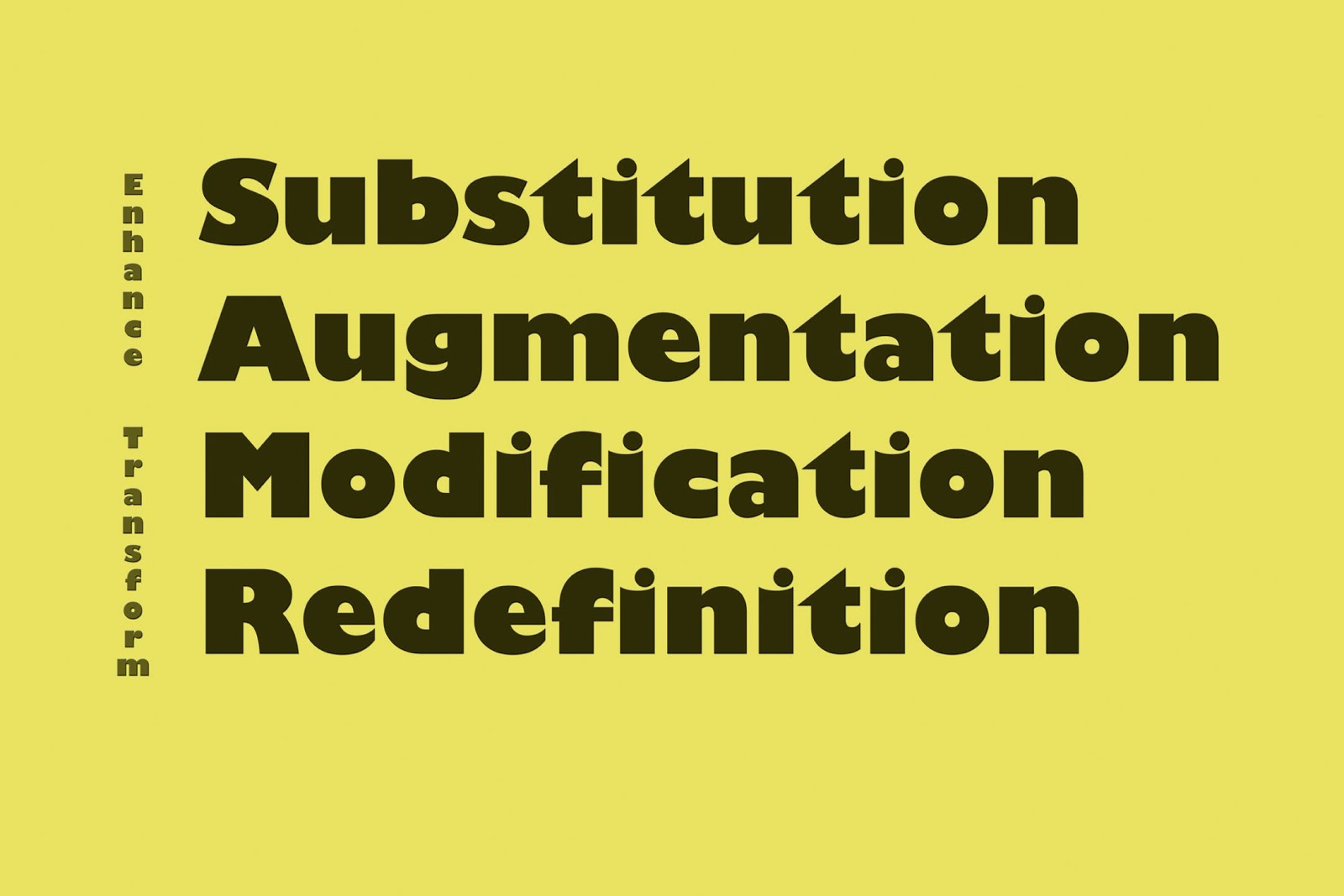
This mission has several aspects and we have to systematically train ourselves to consider at least three of them when evaluating the implementation of technology in our classes. I have always found the SAMR model very useful to assist me when in doubt, aiming to TRANSFORM education whenever possible.
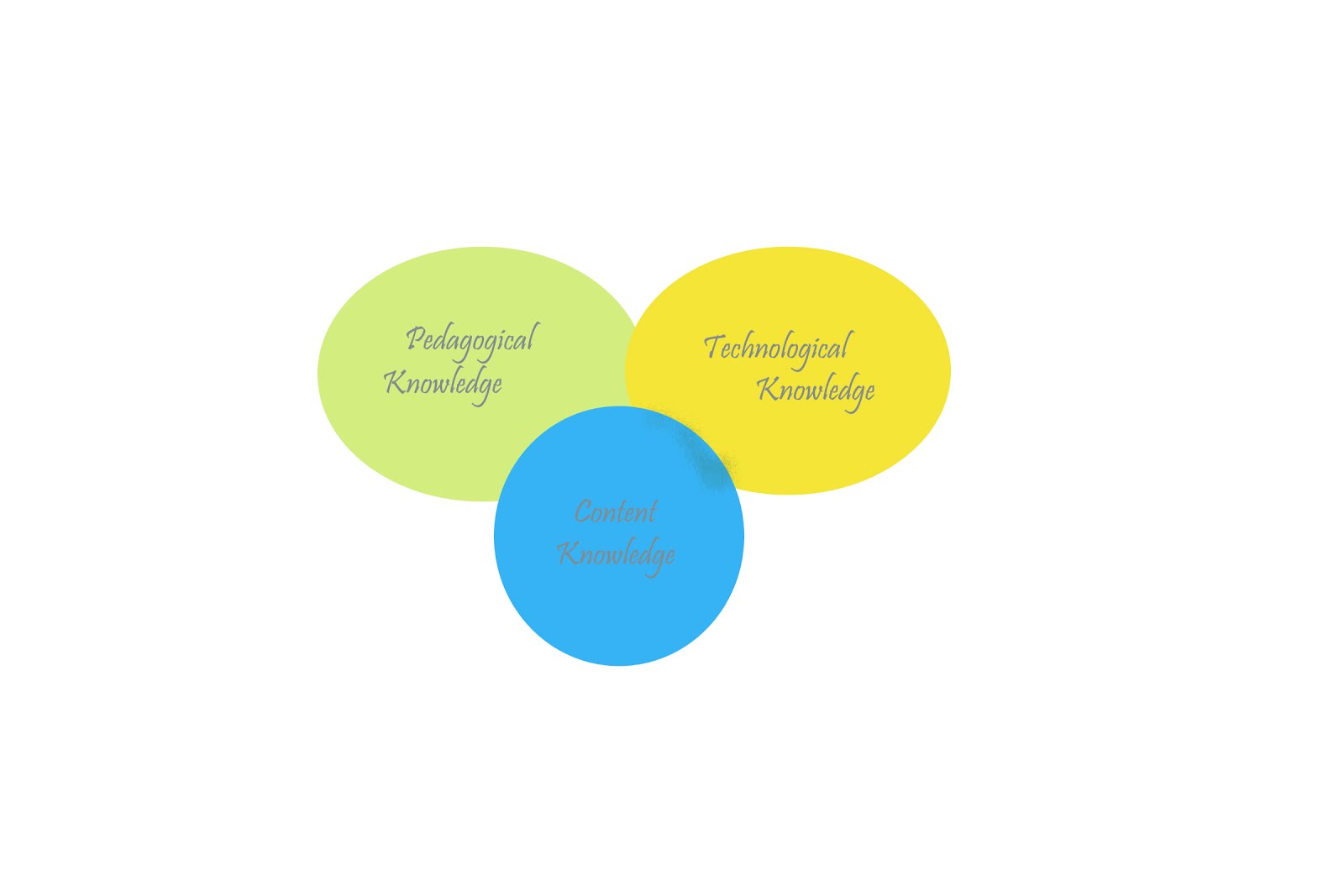
In an age when everything we do has the imperative of technology, sometimes we have to ask ourselves whether what we are going to do is really pedagogically relevant, if it is going to make our lives easier and if it is simple enough for our students. The notion of TPCK is very useful here. Ideally technology is here to assist ourselves to plan activities that are not only relevant for our learners but also conducting to independent learning as well. When a student comes to class to proudly show me that she has successfully downloaded a podcast into her mobile phone and wants me to clarify some vocabulary from it, I would gladly answer her questions and listen to the summary of the episode that she had been listening on the bus.
My context demands for personalized learning since each of my one to one classes is unique dictated by the objective and interest of my students. In my exploration of tools to enrich the learning process I tried Learning Management Systems such as Edmodo, without much success. My adult students did not check the posts on a regular basis. I am now using a Google Doc, which I customize with links and activities. However, each student is unique and will relate to the content differently. 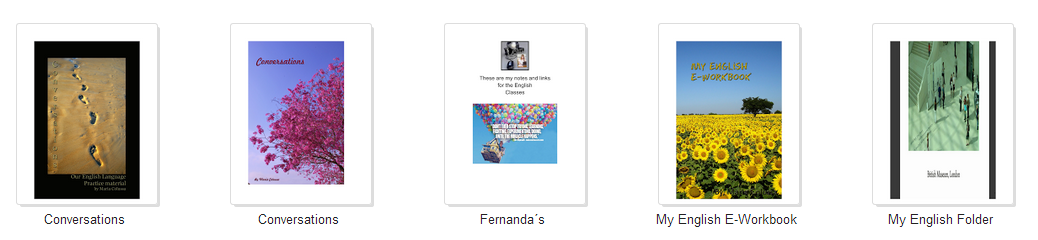
I have to add another element to the equation. If we are here it's because we love communicating, hence the global dimension would provide the touchstone against which to try out the language I am teaching. There are various ways we can explore this, and again it will strongly depend on what our student knows and how much he/she is willing to risk. Again here my students range from the ones who tell me: 'I have no problem in doing anything!' (my favourite ones!) to the ones who would never allow me to expose them to a stranger. Regardless of level of proficiency the student's preferences are to be taken into account when planning to go global. Here the tools to consider are those which will enable the (synchronous/asynchronous) conversation such as Skype or VoiceThread and also collaborative tools such as Padlet or Google Docs.
It takes time and practice with our students to narrow down our choices and come up with a list of 'killer apps', however, the outcomes will differ from student to student.
The ideal scenario would be one where both teachers and students feel comfortable enough to use an array of tools and programmes integrated seamlessly into the lesson. Today the notion of classroom time is also flexible, since students have ubiquitous access to online material after the class has finished. Some of my students want to watch, read again or share with another member of the family what we have dealt with in class and the conversation transcends the classroom walls.. Having all the material together in one virtual place enables this to happen. There are alternatives to Google Docs such as Flipboard, Pearltrees or Scoop it for the curation of classroom material.
Facebook and Whatsapp might be used to confirm classes, and provide opportunities for conversation.
If I am here today it is because I lack a systematic approach due to the flexible nature of my conversation classes and my concern is that maybe there is a way I can optimize my teaching by implementing a model which could aid me to adapt myself to the ever changing nature of the classroom reality in our fascinating field of language teaching.
Pleasant Surprise!
As I was checking the course material I discovered that our moderators had recorded videos answering the week 1 most voted questions from the discussion threads. This videos were very reassuring in the sense that I felt accompanied not only by my moderators but also by my fellow moocers whose concerns were similar to mine as regards certain aspects of online teaching and learning.
martes, 10 de junio de 2014
Digital Citizenship MOOC, Week 5 Final Questions and answers


Before the computers arrived to the school my son´s Physics teacher invited us to a parents meeting where our son would present on Energy Resources in our country as well as exhibit a lamps they had made in groups as part of their semester´s project. I had been asked on several occasions to participate as part of an audience for teacher friends´classes from USA or Germany who presented on different topics, and felt that my son, his friends and teacher were missing an opportunity to broadcast their work to the world.
Looking back I remember asking several teachers about the digital policies in their schools. The arriving of the goverment computers (in the picture above) made me want to investigate the subject of how schools dealt with questions such as safety or privacy. I received several general answers, however the practices were tied to the teachers´ unique classroom settings. I also tried google and posting general twitter questions without much success, the information was too much, theoretical or did not apply to my own country. So I ended up ignoring the questions that came to me.
Then I joined this MOOC. A group of teachers reflecting together, adding experience and a little theory, but mostly practical ideas about real classroom issues which come up on a regular basis. The reflections produced content that was shared. Simple idea.
I strongly agree with Matthew Johnson when he talks about the efficiency of the Digital Literacy/Citizenship model over the Safety Model, as I come to think about it that is the approach I have applied with my own children as they grow older and gain more rights and responsibilities. A model based on trust with clear rules where adults and students together concentrate on the positive uses of social media and build from there.
We shy away from the internet sometimes because of fear. Fear of things we don´t know. The best thing we can do, in my humble opinion, is to talk about those fears in a spaces such as this one, where it´s ok not to know and it´s ok to ask questions, knowing that the person next to us may not be an expert but someone who will do their best to collaborate because we are on the same boat after all.
The big answer today is learning together. I have my own favourites: my friends from Hello Little World, teachers skypers, whom I interact with on a daily basis, Learning2gether, by Vance Stevens, who organises Sunday or Monday meetings to talk about general topics that concern educators, and my last discovery the people from EdTechTalk, who broadcast via You Tube regular meeting called IHAQ (I have a question).
I guess that what I am trying to say here is thank you to all of you who made this MOOC possible and for sharing all this with the world. It´s our turn now to spread the word and start the discussions in our own environments. See you around!

(a view from the country surrounding my city, Santo Tomé, Santa Fe, Argentina)
sábado, 17 de mayo de 2014
Artesol, Jujuy, Argentina May 9-10, 2014

Here are some pictures
Now that things have come to some kind of normality around the house and at work, I sit down to write a few thoughts on what has been my second experience with the people of Artesol here in my country.
Getting there and back from home was an entire adventure to me, due to the lack of connectivity by land among our provinces. I live in the capital of the province of Santa Fe, in the center of the country and I had to travel to a province which borders Chile and Bolivia, and in order to do so I had to change three buses and the whole trip (1100 km) lasted 18 hours. All this because I refused to go to Buenos Aires and take a plane to Jujuy from there, which would have been the most sensible thing to do considering the hard time I had on my trip to and from the conference venue.
The reason I attended this conference was to present about the TESOL EVO Sessions, which I had been my greatest source of inspiration and learning the past two years. Apart from presenting I attended several workshops and presentations from teachers interested in sharing things they consider important. I am afraid I will not be able to share links, apart from my material, since the presenters handed out paper copies of material which I don´t plan to scan.
In the conference I met enthusiastic teachers who reminded me of the reason why I keep going to conferences: to meet like minded educators. I got some new classroom ideas, such as the use of famous self portraits to include in a lesson based on Selfies, by Mathilde Verilleaut. I also reviewed some of my practices, such as personalizing material, in the light of the Taxonomy of language learning strategies (from Rebecca Oxford´s, Language Learning Strategies: What Every Teacher Should Know. Boston, Heinle and Heinle, 1990) provided by the presenters Mariana Lloberas and Silvana Irusta.
I drank from the enthusiasm of some teachers like Mónica Rodríguez Salvo, who presented on 21st Century Skills,and also Susana Company and Maria Soledad Loutayf whose demonstration called Digital Literacy for Dummies: ELT in the 21st Century was packed with teachers eager to know more about what they had to say. These teachers I hope to keep in contact with. In a way I feel that we “speak the same language” when it comes to language teaching.
However, I´m afraid, connectivity is still absent from the conferences workshops, plenaries, or presentations. I found myself exchanging facebook names, twitter handles, email addresses in the hope of changing this for future conferences. I am aware that in my country there are teachers with poor internet access who are finding it difficult even to open their email boxes daily. (one of my workshop attendees told me she had to wait for 3 hours for her email account to open)
I have experienced learning with other teachers, some of them were not teachers of English, but we are in the field of education and we have many things in common. My wish is that one day those teachers from geographically isolated places join me in the fun of learning together with the world and by so doing making this a better place for our children.
Meanwhile I will share today with you what I went to present up North and I really hope you find it useful.
Artesol annual convention, Introducing TESOL EVO Sessions from Maria Colussa
TESOL Electronic Village Online
Your Passport to Professional Development.
Abstract
In an age of rapid change and innovation professional development is a must. Tesol EVO (Electronic Village Online) is a yearly opportunity for us to get updated as regards the latest methodologies as well as an opportunity for networking with other teachers in our field of interest. Come to see how to get the most of this amazing opportunity!
Summary
These sessions are held during a period of 5 weeks prior to the TESOL Convention, generally by the end of January and beginning of February. They are free of charge and they are moderated by outstanding educators. After attending my second one this year I want to share my learning journey. Each one of us has a different scenario and how we decide to pursue our own professional development will be strongly dependent on what we want to achieve in our classrooms. The EVO sessions have multiple opportunities for further develop our professional skills, and also provides a space for reflection on our practice together with other teachers from all over the world.
The participants in this workshop will leave with an idea of what the EVO sessions are, how to choose the best option according to their particular situation and also what are the tools to get acquainted with beforehand to make the most of this experience.
EVO Sessions are the future of professional development, a virtual space to share, grow and learn with other teachers who are looking for the same things we are: becoming better language teaching professionals.
Maria del Carmen Colussa, a graduate from Alte Brown Teacher Training Institute, Santa Fe. Over twenty years of experience as a teacher at the VIP Institute Santo Tomé, Liceo Municipal Santo Tomé. Currently teaching freelance mostly to adults and in my journey to become an online teacher. http://mariacolussa.blogspot.com.ar/
EVO Sessions
The ideal starting place for a beginner's journey on their road to tech integration and pd.
Why?
Free: perfect for economically disadvantaged teachers
We learn TOGETHER, which is essential to ease every beginner's anxiety, moderators are available and willing to help.
It's custom made: everyone chooses their own level of commitment by submitting work/deciding how much to participate.
Online, we can do it from the comfort of our own coach/sofa/(in Argentina) under a parasol by the swimming pool!
It fosters networking: helps us build our PLN if we are here it's because we want the same things, the general tone of the sessions is one of celebrating learning no one is competing for any prize!
Moderators carefully plan each session by gradually leading participants into the themes, but at the same time they challenge participants to take risks, the question is: Why not, rather than Why?
Online also means everyone has access to the material, which is convenient for geographically isolated teachers with limited wifi, even if there are live sessions in your chosen session, everything is recorded and can be accessed asynchronously. This is also convenient if you cannot follow a fixed timetable (my case!).
Characteristics
Collaborative, Connectivist great to start building your PLN
Self paced, no rush. Keep calm and carry on!/Sign up for EVO
Chaotic, it's the way we learn these days! However it´s up to you to find a way to organize your learning.
Varied: There's one session for you, no matter where you teach you will surely find something of interest.
USEFUL TIPS
1.Study the sessions' proposals by reading the summary, the mods bio, the platform where they will be held, the tools that will be used.
It will probably be a good idea to familiarise yourself with: Edmodo, WIKI pages, Google Plus (and the fabulous Google tools like Google Hangouts, Gmail, Google groups/docs, Blogger). These days there are tutorials available on you tube for virtually every tool you want to learn how to use.
It would be a good idea to choose a session based on tools which you feel comfortable with. However, don't discard a session too soon. In my case the first year I was absolutely terrified by sound files, so I signed up for the podcasting session, and I never regretted that decision since then I have felt more confident to try out new things, just because I had already experimented knowing that there was a safety net of teachers who would gladly answer any questions I might have.
2. One session at a time please! Resist the temptation to sign up to more than 1 session. Next year there will surely be another chance for you to do it. Besides you can always browse the materials and tasks of the rest of the sessions as a visitor. You can also attend live sessions too. Concentrating on just one session will help you focus on what you need to learn today, however sporadically visiting other sessions will probably give you an idea of things you might like to explore in the future. Have a notebook and pencil nearby every time you attend a live session you will have to write down many things!
3.Timetables: yes, they exist and they're there for organization purposes, however no one dies if we fail to submit an assigned task in due time and form. We could always join in the discussion forums/threads, and listen to what people who were lucky enough to squeeze the task into their busy schedules have to say about it. Even if you find no time to follow a week´s task, join the group discussions anyway, or read what others have posted and respond contributing to the discussion, not just praising and agreeing, this really adds value to the group content.
THINGS I'VE LEARNED AT EVO
It's ok not to know. ASK QUESTIONS, there will always be someone there to give answers.
Learning is serendipitous, you never know what you're going to learn, and sometimes you don't even know what you are learning!
Be patient with yourself.
Above all ENJOY THE RIDE!!!
It´s ok to lurk, Go Lurkers! Our brains need time to adjust to new things, just be patient with yourself.
domingo, 15 de diciembre de 2013
IATEFL LTSIG: Plan Ceibal English, with Mercedes Viola and Graham Stanley, Sunday 15th December 2013
Ceibo Tree Flower, the Argentinian National Flower
Flickr.
For those of you who don´t know me, I am from Argentina, and one of our neighbouring countries is Uruguay, very close to my own province of Santa Fe. We feel, as Argentinians, very attached to Uruguay, even so that when we travel there, it seems that we are in our own country. "Ceibal" means in Spanish "group of ceibos". The "ceibo" is a tree, which flower happens to be our National Flower. This is for you to take into account how intertwined our geography, topography and and eventually our peoples are. That is why listening to Mercedes and Graham talking about Plan Ceibal was an event I certainly did not want to miss. Especially because our own government has been implementing a one netbook per child policy, which my own adolescent children have been benefited by, because they attend public schools.
The plan to implement the remote teaching of English in Uruguay was born on the need to compensate the shortage of teachers and the fact that English was not taught in primary school. By establishing priorities of accessibility, quality (fiber optic) and the pairing of remote teachers with classroom teachers they undertook the task of finding and qualifying English teachers whose profile had to include not only professional expertise but also the skills of being able to establish rapport and an atmosphere of trust and respect with the classroom teacher, who was the one actually in touch with the students. In addition to this, the remote teacher should also possess ICT skills, creativity and flexibility to engage students and to deal with the unexpected changes of plans that technology usually makes us pursue. Mercedes mentioned Histrionic Skills for the students to remain in focus during the online session, which is usually a challenge even in face to face classes when dealing with primary school age groups.
Graham talked about the number of students and teachers involved and about the plan to make it gradually available to a larger population within the public school system.
The whole scheme seems to be implemented in a gradual way, with people learning on the road, with mentors supporting and coordinating in schools and with positive reactions from teachers, students and the community, as Graham stated. People working together like the ceibo flowers: separate but united at the same time by a common goal. Judging by the happy faces of the children in Mercedes´ last slide we could only expect this plan to continue its steady way to success. I am very proud that this is happening in my continent, our wider nation. Keep on the great work!
Flor de Ceibo Boy, by One Laptop per Child, Flickr
Suscribirse a:
Entradas (Atom)