Mostrando entradas con la etiqueta Connected Educator. Mostrar todas las entradas

viernes, 18 de diciembre de 2015

End of Year Meeting with my Travelling Aunts


I have named my students this year, the Travelling Aunts, since they have all come to me with the purpose of consolidating their English speaking skills for the sole purpose of travelling.  When I decided to hold a meeting with them only some of then had met before.  I did not know what to expect or how to prepare for this meetup.  I took some notes on an article about travelling and found a cozy place where we could have a cup of tea and a piece of cake.

The afternoon of our meeting was a typical December day in Santa Fe, 32 Degrees Celcius and 70 per cent humidity, so we ended up ordering lemonade with lots of mint and ginger.  The cakes were delicious but what I enjoyed best was the conversation that developed swiftly among people who had met for the first time, who shared a common interest: the awareness of the importance of learning English.  Some of my students had been touring different language schools looking for the right kind of class for them.  Others had been through difficult situations abroad where they needed to use English to solve a problem.  All of them shared their stories as language learners and users with enthusiasm and laughter.  By the end of the meeting they were talking as if they were old friends and they urged me to set up another meeting so that they could continue the conversation.

As for me, I forgot about the notes I had taken and I felt that my job had yelded great results this year in terms of engagement and confidence.  It also made me reflect on the value of  human contact and community building when we are learning languages.
A final thought.  As I was uploading the pictures I noticed the tag on the lemonade: "Hecho con Amor" = "Made with Love".  What an important ingredient in the teaching equation!

sábado, 2 de mayo de 2015

Spreading the Word about the Benefits of Mystery Location Calls in the ESL/EFL Classroom

My demonstration session at the Artesol Southern Cone Conference 
Buenos Aires, May 8th/9th, 2015


My notes on the Southern Cone ArTESOL Conference


Yilin Sun mentioned Intercultural Communicative Competence , and she also talked about the need to help our students become responsible citizens, fully competent language users, critical thinkers and constructive social change agents.  Teachers play a vital role in the mission to teach English for social responsability: helping everyone in the world to communicate with each other to prevent global disaster.  It is not necessary to travel long distances to do so.  Today technology allows us to do so with a fairly cheap technological equipment and a decent internet connection.  However the idea of "Glocal" action is also important to become agents of change in our own communities first to later make an impact in the world: Global Perspective, Local Action.
I specially liked a picture she showed us about the "Alphabet taught to kids today" displaying all the technology related words our students come to learn at a very early age.
I agree with Yilin about people wanting to hear your story.  This also emerged in Mathilde Verrillaud´s plenary on how to use pop culture in the English classroom. The Humans of New York facebook page and website aims to show precisely that it is our human nature that binds us together.  If we are able to find that connection and use it to our advantage, learning will become memorable as Marge Tye Zuba also showed in her session about teachers´learning preferences.
Mathilde made use of infographics to provide students with culture rich information which they would later have to rephrase or make their own infographics to explain a similar themes in their culture.  She suggested Piktochart for this activity.  An artist I can´t wait to share with my students is  Amit Shimoni for its originality and potential for discussion with my adult students.
Yilin Sun revisited the art of formulating questions not only before but during and after reading.  Pre-reading questions activate schemata and stir predictions, During reading questions aid selective reading.  Post-reading questions refine our predictions and help us make connections.  Our universe becomes richer after reading.  I found the "Question Hierarchy Techniques" very interesting and I also realised that I have been using this technique in some of my classes.  Here is a question that came to me as I was writing this post:  Why not using the same technique for a listening piece?  I will give that a try too.
I attended Dana Poklepovic´s session on how games in the Business English classroom are a serious thing.  Management techniques can effectively be used in English as well.  When doing so we focus on helping our students become fluent and become aware of their strengths not only as language learners but also as members of a team. I was thrilled to have the chance to thank her in person after I attended the 2014 EVO Teaching Business English Session, where she moderated the topic: "Developing Interpersonal Skills" week.

Stop and smell the roses.


I always like that space that conferences provide for reflection and sharing.  It was great to be able to talk with hard working, creative people and I am already looking forward to the next one!


Artesol, Buenos Aires, May 2015

sábado, 14 de febrero de 2015

#EVOSessions2015 Flipped Learning

On the question of flipping

(I wrote the draft of this blog post on 31st January, 2015)


Buenos Aires Botanical Gardens, by Maria Colussa

2012 Lesson Planning
Previous to class
1. Grab Book
2. Check Content
3. Design Warm up, Presentation, Practice, Production activities for the day/week, based on the book contents.
During Class
4. Deliver Class - Assign standarized homework. Hope for the best! :)
(Repeat 1, 2, 3 above)
Following Class
5. Check homework.
(Repeat 4)
Note:  Teacher is the sole provider of content.

2015 Lesson Planning
Previous to class
1.  Surf the internet for content with pedagogical potential.
2.  Save links in the appropriate place according to  age, level, interest, objectives)
3.  Sit down in front of the computer and design activities to exploit the material.
(optional:  When focusing on specific skills search for ready made systematized tutorials or make them myself to attach to the class material.)
4.  Make class available in students´shared folder.
During Class
5.  The class can start at any point of the previously designed plan.  This will depend on how much of the shared content the student has already seen previous to class.  The most interesting or challenging material can be tackled at  this point of the class.
6.  Teacher suggests options for follow up activities for the student to do by himself.
(Optional:  Additional content can be added according to student´s interests and needs.)
After class
7. Teacher´s suggested activities or student´s generated alternative  ones are done in a shared online document where the teacher can provide feedback .

Conventional                                                                   Flipped
Teacher is Content provider                                         Students gather information and content
Teacher has absolute control                                       Teacher is a learning facilitator
Fixed Syllabus                                                                Part of the syllabus is fixed, most is flexible
Homework is impersonal                                               Homework is as personalized as possible
Student is a passive recipient of knowledge              Students are actively involved/responsible for                                                                                                        learning      


On Flipped Learning and how I can make it work for me


After attending the EVO Sessions on Flipped Learning I learned a few things regarding this approach to teaching which is here to make our lives easier and help us make the most of our classes.
In times when many people are talking about students´voices, personalized and differenciated learning, what we decide to flip would be the impersonal, yet necessary, part of the curriculum, so that we can devote valuable class time to getting to know our students by listening to  them (and I mean Listening).  The classroom becomes the space for  teachers and students to play with the language, to test their hypothesis, to interact.  It also becomes the teacher´s research field,  During flipped classes the teacher becomes a learning coach encouraging students to anchor the language to their learning objectives and lives.

Flipped learning does not solely have to do with screencasting our content , though this is certainly an important technique.  It is also about creating spaces and tasks during the class for students to meet other students, to share their learning journeys (just like we have been doing in the discussion groups and google communities during the EVO sessions!)
Flipped learning is about being on the lookout for interesting projects or content with which to make our students engaged beforehand.
I have been flipping things here and there.  It will be my personal mission to flip whatever I can in the hope of making each class a memorable celebration of learning for my students and for myself!


miércoles, 17 de diciembre de 2014

Here´s to my PLN, a thank you toss.


A couple of weeks ago several of my Argentinian teachers of English friends shared this article (in original Spanish version, sorry!) via different social media.  It shows the result of a survey stating that Argentinians scored the best results in a certain English proficiency exam.  Somehow the ones sharing it felt and shared the pride of a job well done.  It came as no surprise to me.  I am from Argentina.  I´ve been shaped by and learned from Argentinian teachers.  I have worked with them and I am lucky to have many EFL teacher friends.  I witness how hard they work daily to share their passion for the English language.   As I was reading the post I remembered the many other language teachers I met face to face in the three congresses I attended in my country this year.  I heard their stories, all different yet fascinating.
     I also met other Latin American colleagues face to face and online and I am looking forward to meeting more and hear about what they are up to, their challenges, and achievements.  And I don´t need any article to tell me that they are doing the best that they can with what they have.
     If today I can read books, watch films and interact in English it is thanks to a teachers who helped me at different points of my life.  I am also lucky to be a native born Spanish speaker.  When a student asked me to teach him Spanish this year, I came to appreciate those souls who decide to teach Spanish as a foreign language. (ELA: Español como Lengua Extranjera) This one proved to be another path to grow as an educator, by acknowledging my own language.  It was also a humbling experience, my admiration goes to those who decide to swim the waters of the Spanish grammar.
One must love a language a lot in order to decide to become a teacher of that language withou being born a native speaker.
My toss  this last month of the year goes to those whose job is to spread their passion for a language and in so doing assume as their mission to ignite the fire in others.
Thank you so much native, nonNESTs, ELA, ESL, EFL and all of you passionate educators out there from whom I get my daily inspiration, encouragement, insights, knowledge.
Salud! Cheers! 

sábado, 29 de noviembre de 2014

A day in the life of a connected educator in progress, Thursday 27th November, 2014

AM
9:00
Meeting for next Sunday confirmed by Vance Stevens via e-mail.
9:30
Impromptu Skype session with Katherine Zablatnik´s students in Austria.  Topic: the weather, Christmas preparations.
10
Checking out OCLMOOC by Edinburgh University on Coursera´s resources for week 4.  Interesting!  I found out in the announcements that there is a live meeting called Office Hours scheduled for today via Google Hangouts.  I would like to attend it, let´s see how...
11:09
Using the course hashtag (#OCLMOOC) I tweeted asking for a place in the hangout.
11:30
Jason Levine invited (from Paris?!) via Facebook to a session with Dr Nellie Deutch in Wiziq.  Topic: Microteaching. This term is new to me! Let´s check this out!
11:45
I read Dr Nellie´s description of Microteaching in her blog.  I find it very interesting, lots of potential!
12:38
Confirmation via twitter of my place in Office Hours session of OCLMOOC
PM
1:00
Hangout session/Office Hours.  Topic: Redifining the Human and the last week assignment.
I took the chance to thank the organisers for the great choice of materials in the form of readings and short clips and films.
1:30
Family Lunch!
2:00
Dr Nellie Deutch Wiziq session "Microteaching", in this session Nellie gave practical ideas on  how to organise  microteaching sessions using the Wiziq platform.  A great way to learn and teach based on the premise that we all learn by teaching.
3:00
Wrote a draft blog post based on the material of week 4 from the OCLMOOC, still have to decide what shape my artifact will have, I will need to re-read the assignment lineaments.
4:00
Set things ready for my pre-scheduled Skype session with my friend Athalo´s students from Brazil.
4:45
Jason Levine (again!) suggested via Facebook a storytelling Facebook page and blog interesting for teaching English, inspiring!  Re-posted the link to one of my students who will be absent next week.
5:20
Skype session with Brazilian students.  Amazed to see they had prepared a presentation! Topic: various: soccer (local football teams), rivers (I mentioned that we share the same river: the Paraná, which is my favourite place to go in the summer)  These students are sooooo nice!
6:00
My Spanish language student (a German exchange student) tells me via Facebook that he needs to reschedule the class (probably hanging out with friends!!).  We´ll meet tomorrow.
7:00
Inspired by the storytelling session seen before I decide to draft a sketch of my favourite short story by Julio Cortazar: "Continuidad de los Parques" my drawing are not very good but it would be a good way to introduce storytelling in my Spanish class.
11:00
I realised that I missed  #whatisschool tweetchat (again!)
11:05
Thinking about Jeff Lebow´s students as I watch some kids dance K-pop on national television :)


lunes, 20 de octubre de 2014

My Reflections after teaching (and learning!) for over 21 years.

As I was writing the title of this blog post I realized that not only did I start teaching 21 years ago, I also began a journey of discovery that would make me the teacher I am today.  On the road, as in every trip I had my ups and downs and here I will reflect about some of them using the guide my friend Benjamin Stewart prepared for the upcoming ELT Live session with his students on Wednesday.
What techniques educators are using to promote reading, writing, listening and speaking?
Apart from the usual textbook material I am also using interesting things I come across online such as Blog posts, Students Facebook groups, podcasts and material from You Tube such as commercials or short films.
What problems do these techniques have?
If you base your lesson on online material, you have to think of an alternative plan in case your internet fails or there is a power outage.
What is your favourite language skill or course to teach and why?
It depends.  Grammar based lessons are predictable and I find them easier to teach, but conversation lessons with young adults and adults (intermediate and beyond level) are so enriching! However, you must embrace the fact that conversations can lead you anywhere and that you might not always know all the words for example.  Even in the most structured class I find opportunities to personalise the content to make it more interesting and an opportunity to get to know my students.
What was the most difficult experience as a teacher and how did you deal with it?
My worst nightmare used to be disengaged students.  When I started teaching I thought that students would be naturally motivated by my wonderfully planned classes.  It turned out that it was not always the case.  I remember myself not knowing how to deal with it.  The answer, I learned with time, is to know your student and to plan within their scope of interest.  Today of course it´s much easier with all the available material on the internet.
What are the biggest challenges and how do you address them?
I teach from home one on one mainly to adults.  My biggest challenge is to help my students  become aware of their capacity to learn English.  Also to provide material that show the relevance of what they are doing ie. learning a foreign language, contextualize content. And of course keeping them motivated by praising their successes and learning to laugh at our mistakes!
What´s more appropriate to teach skills in isolation or in an integrated fashion?
It depends on our students´preferences and goals.  Once we have considered these elements, there will be times when we should concentrate on isolated skills as the course develops and we discover that there are specific problems to be addressed.  There are ways in which we can assign the more structured part to be done at home in a sort of "flipped" mode of teaching and concentrate on less structured and open activities in class, thus optimising classroom time.
Do low level students need to spend more time on receptive skills or equal time on receptive and productive skills?
Probably at first to build up confidence we should provide plenty of comprehensible input to our students, however production shows achievement and the sooner our students begin experimenting with the language the more opportunities they will have to perform and perfect what they are learning.  On the teacher´s side I learned to be patient with my students, consider that there is a silent period when they need to feel the language and adapt to the, sometimes for certain people,threatening scenario that constitute the language class.
Things I wished I had known or understood when I was starting out as a teacher.
It´s not always a good idea to force students to participate.
Invest time on getting to know your students.   I should say that your whole lesson can fail if you fail to plan according to your students´ preferences, age or level.
How does a language educator design classroom assessment and instruction around conversational language?
Designing conversation classes is very entertaining.  Whenever I come across a piece of  thought provocking material  I make sure I save the link and, sometimes, when I´m inspired, I prepare questions or look for additional related material.  I sometimes try the lesson with different levels and it never ceases to amaze me how many different interpretations can arise.  I don´t carry out formal conversation tests, having said that  the student who is able to articulate his thoughts successfully has a passing mark!


jueves, 25 de septiembre de 2014

My impressions on the Congress of Argentinian teachers of English as a foreign language


FAAPI Conference, Santiago del Estero, Argentina, September 18th., 19th. and 20th, 2014

This year the Conference of teachers of English as a foreign language was held in Santiago del Estero.  A city which is called "The Mother of Cities", because it was here where the first Spanish settlers decided to establish the first settlement before continuing funding cities such as Córdoba and Salta.  The whole province is also famous for its dance "The Chacarera", which is a lively folklore dance with clapping, easy choreography and swinging of skirts (on the women´s side).  In this province they manufacture an instrument which is an important element in all folklore songs: the "Bombo Legüero".  These drums made of emptied tree trunks and animal skin (my husband´s has goat and donkey skin) are beaten with sticks and they accompany most of our folklore songs with its rhythmic beat. The name of this drum "legüero" (league drum) comes from the fact that its sound is so loud that it can supposedly be heard from the distance (leagues) across the empty flat pampas.
What I heard at the conference was the voice of my fellow teachers.  And I liked what I heard.  Teachers who love their jobs and their students.  Teachers with no wifi connection in the schools.  Teachers who teach a first year of 60 teacher training college students trying to find a clean space on the wall to project their slides, again with no wifi connection.  Teachers who decided to get together with colleagues to study about autism and who decided to present in the conference in front of a full house of teachers who shared the same concerns and similar scenarios.  Teachers who volunteer their time to put together a journal of applied linguistics without getting any money out of it, just for the sake of the development of the profession.  Teachers from the "Plan Ceibal", from Uruguay, brave educators who partner with classroom teachers who don´t know the English language, but volunteer to offer their students the chance to learn a foreign language from the distance.  Teachers who came from Colombia or Ecuador to attend the conference.
The theme of the conference was "Teaching in the Post Method Era" .  The way I see it this is the best time to be a teacher of English.  We are freed from the dictatorship of a single method, but at the same time we have a huge responsibility: to question ourselves about everything we do, to share our practices and to reflect on what we do.  A call to theorize our practices.  A call to use our common sense, to work with what we have and to make the most of it.  A call to get together to start meaningful conversations.  The point of my presenting in congresses is to share my journey so that other teachers can benefit too.  I hope that in the future more colleagues embrace the challenge and make their voices heard  frrom the distance, like the sounds from the "legüero" drum.

AJAL, Argentinian Journal of Applied Linguistics


lunes, 11 de agosto de 2014

Coursera Course: Learning to Teach Online

My Goal
I have been intrigued by online teaching and learning ever since I began interacting over the internet, and find the possibilities of teaching online fascinating, however I feel that I need a background against which to base my practice, that´s basically why I am here: to collect ideas, and to check what I am already doing with more experienced people.

Stated intent

I want to use my knowledge to develop a personal online teaching strategy
Module 1: Why is online teaching important?
Library


Activities

Activity 1.1
Where are you in the current educational landscape?
My current educational landscape is quite varied right now.  When I decided to quit my job at a local Town Hall Languages and Arts school, I decided to start doing something else.  After a couple of years some friends in need of practicing their English made me go back to teaching.  This is how I began teaching again to a bunch of friends.  They are not many, adults most of them, and each one has a different agenda.  I have the ones who travel,  the ones who love the language, and I have others who just want a break from their routine or an advance and challenge in their careers, which involves knowing how to speak English.  Lately I had an English teacher friend who sent me her own son and nephew, both of whom have gone through all the possible exams, but want to continue practicing.  I teach from home and our classes are very flexible, I must admit that I am so used to forgetting about what I have planned that I hardly ever end up doing what I had imagined for the class.  I have internet access in the classroom as well as coursebooks, which I still use especially with lower level students or with students who feel they need to regularly practice at home.  Since I interact a lot in online courses and groups, I often come across interesting material and I add that in a google document that is a kind of resource page where I drop all the links that I consider that might be of interest to each of my students.  I believe that knowing our students interests is key if we want them to be engaged in their process, especially  when they have already reached an intermediate level of proficiency that might allow them to express themselves as individuals.  
Activity 1.2
What technologies are you already familiar with?
I am familiar with the use of conference tools such as Skype and Google Hangouts as well as the many platforms used by online conference organisers such as Blackboard Collaborate, Wiziq, Adobe Connect.  I am a frequent online student and I try to take advantage of every online Professional Development opportunity available.  
As regards my own practice I keep separate google docs for each of my students and I aggregate content with tasks there. (videos, podcasts, tutorials, pictures, stories, web sites)
I have produced some content myself, audio, video and presentations. I am always hunting the web for free tools that I might use to do this. Luckily there are a lot of generous teachers willing to share their experiences with me, which makes my own journey more interesting and easier at the same time.
Activity 1.3
Define your own personal learning goal to guide your learning within the course.
Since I have been exploring everything connected with online learning on my own without anyone else imposing a schedule or a curriculum on me, I feel I need a systematic approach to sort of putting everything in order.  The same objective inspired me to join a MOOC on Digital Citizenship.  I believe that learning is a social activity and I personally like the connectivist element in MOOCs, those interactions that spice up and enrich our own vision.
Ok first misunderstanding in this course:  I thought I had to submit a reflection, which I had prepared above.  Just as I was about to copy and paste it into the Submit Activity section I came across a multiple choice questionnaire which I was meant to complete by just selecting the correct answer.  Adding to my disappointment was the fact that I later on checked that the system had made a mistake in one of my answers: No. 9 regarding digital citizenship (forgive me Alec Couros!) I was sure that I had submitted the right answer!
My favourite quotes:
...seeking to provide learners with a more customized, personalised learning experience
...in the current world of ubiquitous  social media it is web tools that provide an excellent vehicle for global connections...
...today´s learners need to survive in a digital participatory global economy...
...open source movement; expressions of efforts of people worldwide to connect and create...
...learning; collaborative and social
…. Tapscott (2009), puts it: “the global economy and the digital age require new abilities  –  it‟s not what you know that counts anymore, it‟s what you can learn ...
(p. 127)”.
….sharing, collaborating, networking, customising, personalization Digital citizenship" is now being dubbed as "citizen 2.0" and in the simplest terms it refers to the ability to participate in society online and to use technology appropriately. Digital citizenship represents capacity, belonging, and the potential for political and economic engagement in society in the information age (O‟Brien, 2008). Digital citizens practice conscientious use of technology, demonstrate responsible use of information, and maintain a positive attitude to learning with technology (ISTE 2007 cited in Richards, 2010)
The network effects or benefits of bringing people together online exceed the satisfaction gained by individual participants - creating what economists call "positive externalities" or spill over benefits.

Assignment 1
(500 words max.)
Critically analyse and reflect on the following:
Your understanding of the benefits and risks associated with the use of both open Web 2.0 technologies and institutionally supported technologies like a learning management system (LMS)
Considerations of using both types of technology, using specific examples related to your own teaching context and practice
Your institution’s policy and strategies about the use of different technologies for online learning and delivery approaches (i.e. technical support, pedagogical guidance, availability, usage restrictions, privacy, etc).

With these points in mind, write a short statement in the text box below that best describes your personal perspective on each, in the context of your own teaching practice.

Related Learning Outcomes

By completing this assignment, you will demonstrate your achievement of the following course learning outcomes:
Describe and understand the importance and use of a range of online technologies in learning, teaching, and course design in contemporary education from multiple perspectives

Demonstrate collaborative and independent enquiry and reflective practice

Things to think about

This assignment should be written from your own personal perspective – there is no right or wrong answer, but the clarity of your submission and the depth of analysis will be examined.

While you may already have an understanding of the three points above, we do expect you to be critical in your analysis of this understanding.

It is fine to identify things that you want to find out more about in your response.
In completing this assignment, we expect that you will undertake some research at your own institution, engage in course discussions, and reflect upon your learning within the Module 1 and Module 2 activities.

Below the submission text box on this page, you will see the evaluation and feedback rubric. This is how others will assess your submission. Ensure that you address each criterion before you submit your assignment.

Submission requirements

Your submission should aim to be no longer than 500 words. Please write in English.
You may upload files (such as images) to support your submission.
You can save your work as a draft if you are not ready to submit, but make sure that you remember to submit it before the due date.

Assignment 1

typewriter, by Oxygen Team, via Iconfinder.png(typewriter icon, via Oxygen Team, Iconfinder)
For teachers like me who went all through their teacher training college with the typewriter as the only tech available coming to terms with the wide range of educational technology tools and resources poses a challenging mission.
SAMR.jpg
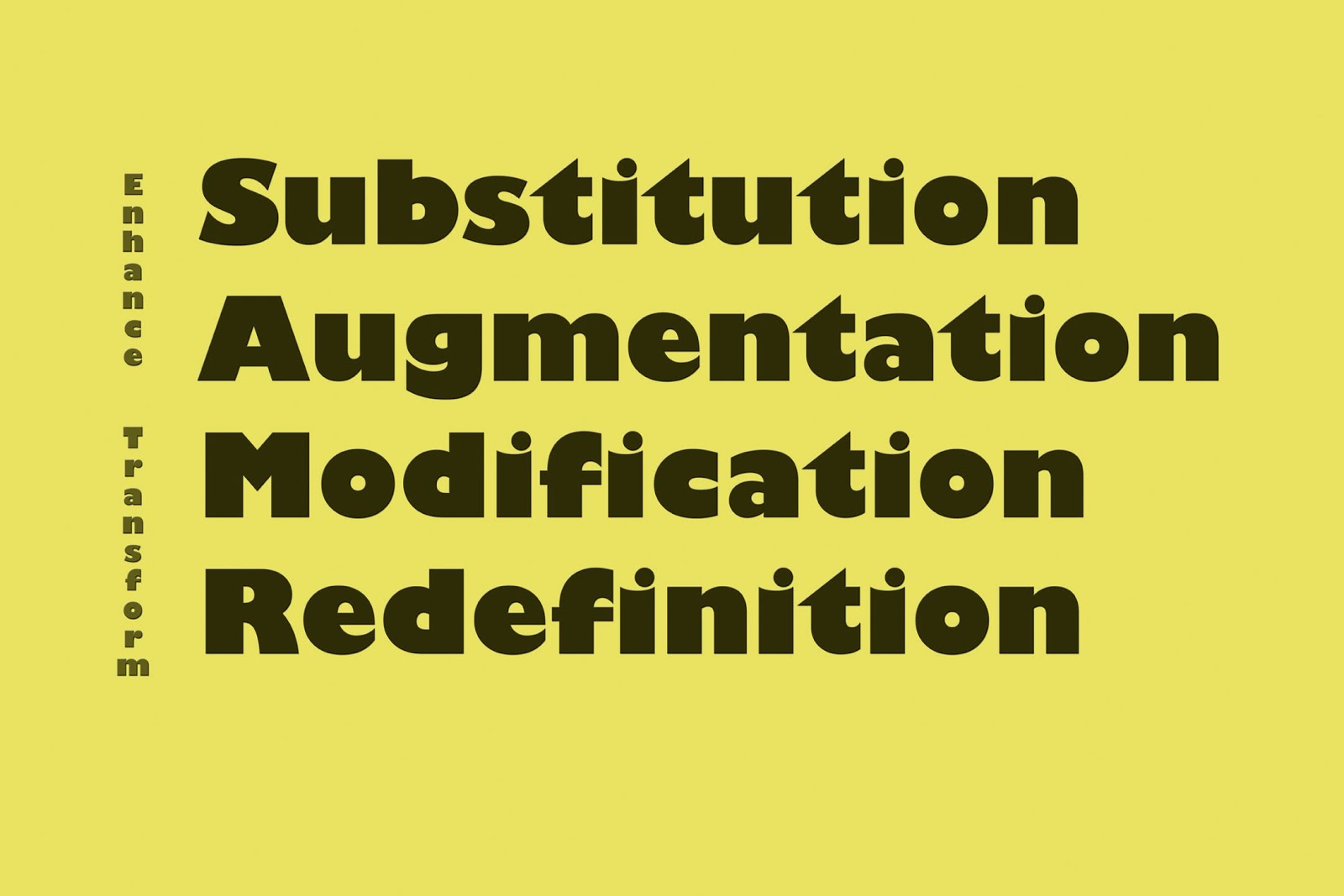
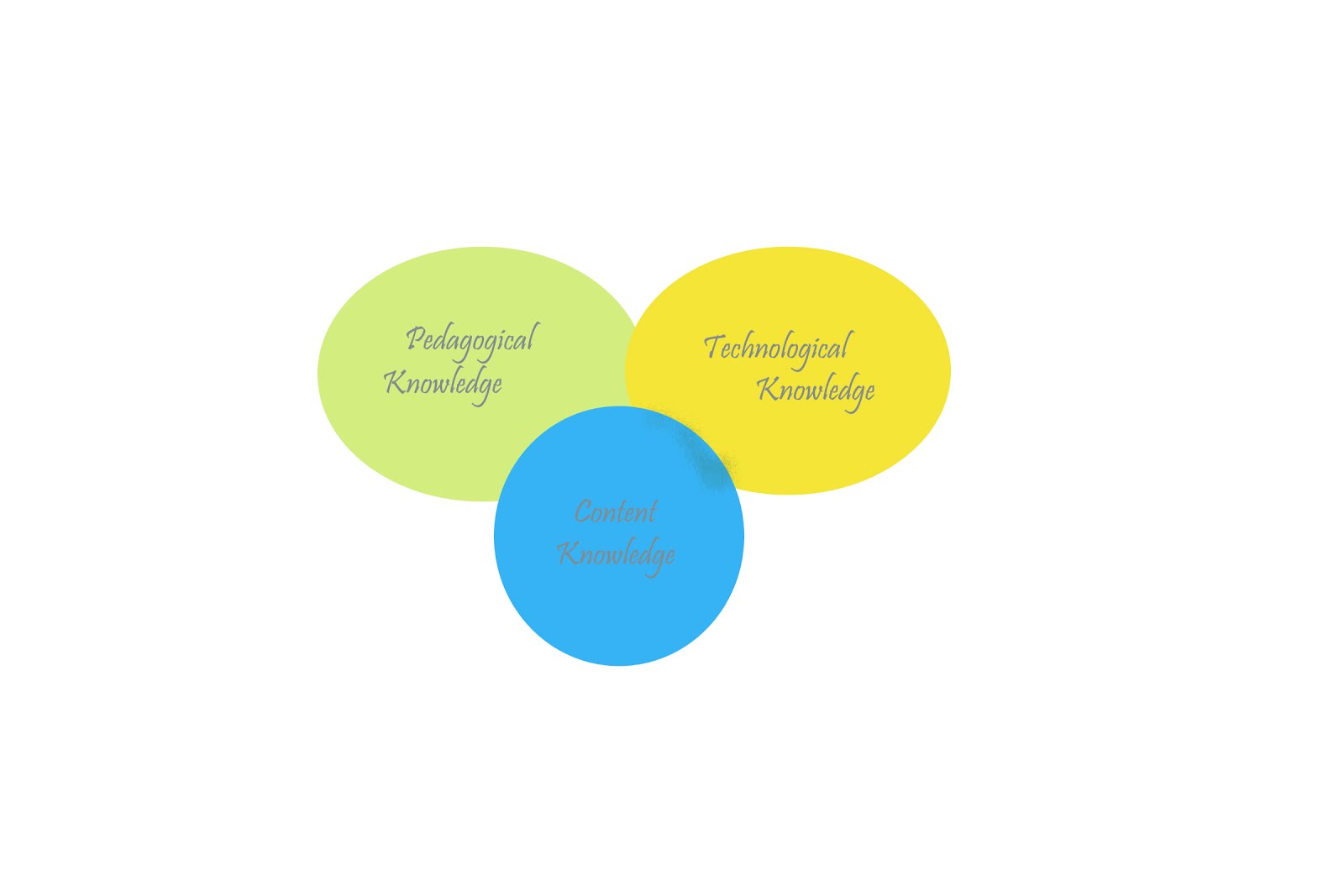
This mission has several aspects and we have to systematically train ourselves to consider at least three of them when evaluating the implementation of technology in our classes. I have always  found the SAMR model very useful to assist me when in doubt, aiming to TRANSFORM education whenever possible.
Tpck.jpg
In an age when everything we do has the imperative of technology, sometimes we have to ask ourselves whether what we are going to do is really pedagogically relevant, if it is going to make our lives easier and if it is simple enough for our students. The notion of TPCK is very useful here. Ideally technology is here to assist ourselves to plan activities that are not only relevant for our learners but also conducting to independent learning as well.  When a student comes to class to proudly show me that she has successfully downloaded a podcast into her mobile phone and wants me to clarify some vocabulary from it, I would gladly answer her questions and listen to the summary of the episode that she had been listening on the bus.

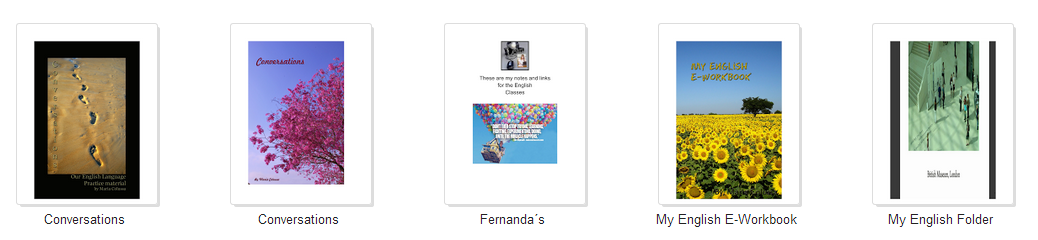
My context demands for personalized learning since each of my one to one classes is unique dictated by the objective and interest of my students.  In my exploration of tools to enrich the learning process I tried Learning Management Systems such as Edmodo, without much success. My adult students did not check the posts on a regular basis.  I am now using a Google Doc, which I customize with links and activities.  However, each student is unique and will relate to the content differently. Books Adults   Google Drive.png
I have to add another element to the equation.  If we are here it's because we love communicating, hence the global dimension would provide the touchstone against which to try out the language I am teaching.  There are various ways we can explore this, and again it will strongly depend on what our student knows and how much he/she is willing to risk.  Again here my students range from the ones who tell me: 'I have no problem in doing anything!' (my favourite ones!) to the ones who would never allow me to expose them to a stranger.  Regardless of level of proficiency the student's preferences are to be taken  into account when planning to go global.  Here the tools to consider are those which will enable the (synchronous/asynchronous) conversation such as Skype or VoiceThread and also collaborative tools such as Padlet or Google Docs.
Collab tools.jpg
It takes time and practice with our students to narrow down our choices and come up with a list of 'killer apps', however, the outcomes  will differ from student to student.
The ideal scenario would be one where both teachers and students feel comfortable enough to use an array of tools and programmes integrated seamlessly into the lesson.  Today the notion of classroom time is also flexible, since students  have ubiquitous access to online material after the class has finished.  Some of my students want to watch, read again or share with  another member of the family what we have dealt with in class and the conversation transcends the classroom walls..  Having all the material together in one virtual place enables this to happen.  There are alternatives to Google Docs such as Flipboard, Pearltrees or Scoop it for the curation of classroom material.
Facebook and Whatsapp might be used to confirm classes, and provide opportunities for conversation.
If I am here today it is because I lack a systematic approach due to the flexible nature of my conversation classes and my concern is that maybe there is a way I can optimize my teaching by implementing a model which could aid me to adapt myself to the ever changing nature of the classroom reality in our fascinating field of language teaching.

Pleasant Surprise!
As I was checking the course material I discovered that our moderators had recorded videos answering the week 1 most voted questions from the discussion threads.  This videos were very reassuring in the sense that I felt accompanied not only by my moderators but also by my fellow moocers whose concerns were similar to mine as regards certain aspects of online teaching and learning.

martes, 10 de junio de 2014

Digital Citizenship MOOC, Week 5 Final Questions and answers


As the last week of the DCMOOC starts and in order to prepare myself for the upcoming Core Session 5, with Alec Couros and the rest of the participants of this course, I sat down to write down my reflections on several things regarding not only this particular topic that gathers us together here, but also about learning in general and where I stand as someone who has been a regular attendee to several opportunities for free open learning ventures.

Before the computers arrived to the school my son´s Physics teacher invited us to a parents meeting where our son would present on Energy Resources in our country as well as exhibit a lamps they had made in groups as part of their semester´s project.  I had been asked on several occasions to participate as part of an audience for teacher friends´classes from USA or Germany who presented on different topics, and felt that my son, his friends and teacher were missing an opportunity to broadcast their work to the world.

Looking back I remember asking several teachers about the digital policies in their schools.  The arriving of the goverment computers (in the picture above) made me want to investigate the subject of how schools dealt with questions such as safety or privacy.  I received several general answers, however the practices were tied to the teachers´ unique classroom settings.  I also tried google and posting general twitter questions without much success, the information was too much, theoretical or did not apply to my own country.  So I ended up ignoring the questions that came to me.

Then I joined this MOOC.  A group of teachers reflecting together, adding experience and a little theory, but mostly practical ideas about real classroom issues which come up on a regular basis.  The reflections produced content that was shared.  Simple idea.

I strongly agree with Matthew Johnson when he talks about the efficiency of the Digital Literacy/Citizenship model over the Safety Model, as I come to think about it that is the approach I have applied with my own children as they grow older and gain more rights and responsibilities. A model based on trust with clear rules where adults and students together concentrate on the positive uses of social media and build from there.

We shy away from the internet sometimes because of fear.  Fear of things we don´t know.  The best thing we can do, in my humble opinion, is to talk about those fears in a spaces such as this one, where it´s ok not to know and it´s ok to ask questions, knowing that the person next to us may not be an expert but someone who will do their best to collaborate because we are on the same boat after all.

The big answer today is learning together.  I have my own favourites: my friends from Hello Little World, teachers skypers, whom I interact with on a daily basis, Learning2gether, by Vance Stevens, who organises Sunday or Monday meetings to talk about general topics that concern educators, and my last discovery the people from EdTechTalk, who broadcast via You Tube regular meeting called IHAQ (I have a question).

I guess that what I am trying to say here is thank you to all of you who made this MOOC possible and for sharing all this with the world.  It´s our turn now to spread the word and start the discussions in our own environments.  See you around!


(a view from the country surrounding my city, Santo Tomé, Santa Fe, Argentina)


lunes, 19 de mayo de 2014

Digital Citizenship MOOC


Why DLMOOC?

Digital Citizenship MOOC homepage

I can say that I was thrown into the waters of the web without having any idea of the protocol of behaviour to follow during my interactions with educators from around the world.  Learning how to behave online was not something I sat down to do, since there were so many exciting things to learn and catch up with that I often postponed the systematic study of this matter.  However, and as I got more involved in social media interactions with other educators I felt the time has come for me to reflect on where I stood regarding digital behaviour.
I agree with Alec Couros when he says that chances are that we are going to see more and more technology in our society, so it is only natural for a connected educator to get involved in the conversation about what we mean when we talk about Digital Citizenship.  It also resonated with me when he mentioned (I watched the recording today) that he has three children and I remember how I tortured mine in the early times of the internet at home.   Being a parent is also a strong reason to be here as well.
Digital Citizenship is also another example of those things that you learn by doing, that is why I believe the connectivist approach to this subject is the most appropriate one.
My aims for this course are getting to know what other teachers have experienced so far, learning about classroom techniques to foster good practices, and participating in discussions regarding what miths should be destroyed and what paths should be taken in order to focus our work on the best that the internet has to offer: people getting together to make this world a better place.

PS.  As I was sipping my tea after I published this post I remember another reason why I wanted to join this MOOC.  Last night I watched the recording of one session from the "Learning Together" series by my friend Vance Stevens with Alexander Hayes.  Link to the you tube recording.  In it I was able to have a glimpse of the research he is carrying out regarding the impact of the use of wearable technology in education and society.  The conversation brought about interesting but disturbing issues concerning privacy and transparency (and obscurity!) Technology is being blended into society and we are faced with new predicaments as we go along.  At the same time, and why not, it also has the potential of making us become closer, so close that we could become the person wearing the device, when it comes to seeing the world through somebody else´s Google Glasses.  It is an educators´responsibility to address the issues that come with this by discussing technology, not by demonizing it.

lunes, 7 de abril de 2014

My musings on MiniCon and IATEFL and what we do on a rainy weekend.


On a rainy weekend which also coincides with international web conferences my mood is high.  It is the perfect combination.  The conferences I watched online last weekend proved to be a celebration of teaching and an invitation to reflect on our own teaching.  The IATEFL Pecha Kucha, which I decided to enjoy from the comfort of my thinking spot, a newly incorporated item in my classroom, left me with the thought that no matter how far apart we teach we share the same concerns, expectations, beliefs and dreams.  Teachers who travel the world in pursue of their vocation, teachers who hunt for images to use in their classrooms, teachers who speak of the importance of our role especially in today´s world.
IATEFL Pecha Kucha, recording

Professor Sugata Mitra´s Plenary session had many memorable phrases which filled a complete page of my notebook.  You will probably highlight your own.  I will isolate the one and only that made everyone laugh and clap because of its undeniable truth:  "We are preparing our children for employers who are unfortunately dead."  My question is: How long will we delay change?  And another question is: How do we keep up the spirits of those who are implementing change against all odds?  I find myself comfortable in the company of other likeminded educators and my energy is renewed that way.
Sugata Mitra´s Plenary, Saturday 5th April, 2014

In case your energy deposit is going dry, try watching the recordings of the MiniCon of The Future of Education, a preview of what will come during the RSCon5 .  Either if you are interested in tools or just to grab some of the enthusiasm of these educators, pick one recorded session and enjoy!
MiniCon, recordings


martes, 4 de febrero de 2014

On Globally Connected Learning

It takes a very good reason to make one get up at 4:30 am on a Tuesday during Summer holidays.  A couple of times I did it because I had to go on a trip.  This morning I did it because a friend from Germany had asked me and six other friends from Hello Little World to co-present on our experience working globally with our students.  The presentation was via Google Hangout and the 5 continents were present from the following countries: Russia, Australia, Germany, South Africa and Argentina.
After the initial rush of adrenalin when all of us had tested our technical equipment with the aid of the amazing Steve Sherman, once everything was ready and we started everything seemed to flow and I can assure you I experienced what Sir Ken Robinson calls being in the zone.  A group of educators sharing their global experiences with no other purpose than that.  Only people who have put their feet in the waters of global collaboration understand each other.  The look in our students´faces of amazement and enthusiasm is the fuel that keeps us going.  Thank you Reinhard for taking the time to put all this together.  It was a pleasure to be part of this crowd of educators who went out of their comfort zones to reach out to the world and hopefully enthuse others to follow.

Here´s the link to the recorded presentation session.

miércoles, 15 de enero de 2014

EVO Sessions, 2014.

This is my list of favourite links I will probably use a LOT in the near future.  They come from my involvement in three sessions of the current EVO.  I have also included my responses to assigned tasks.

EVO Crafting the Perfect E-book Session

Creative Commons Resources

This is my creative commons license

This is the E-Book I need

The E-book I need to create is an interactive online book for my adult students with resources for them to practice English.  Ideally it could be something that they can have access to from home if they feel like practising what we have done in class or it could also be used as a flipped class material bank.  (ie. I could assign a task for them to pre-view/listen/read BEFORE we meet face to face).  However since IDEAL seldom happens, it can also serve as an online "place" for them to make comments, add content, etc when they are unable to attend the class.  (something that happens very frequently at least in my case!)


EVO Developing Business English Teachers Session
Tasks for Week 1

Former teachers who motivated me and what was so special about them that they inspired me


During my 20 (OMG!) year old career I´ve been inspired by many teachers I was lucky enough to come across.
Two of them during my trainning years (unfortunatelly both have passed away) María Isabel Recamán, my phonetics/diction teacher, Daniel Fernández, my methodology/applied linguistics teacher.
After I graduated I did an Adscription to Language II at the Teacher Training College and Adriana Diaz was the teacher there.
Lately I have come across so many AMAZING educators that I can´t begin to name them: Vance Stevens(https://twitter.com/VanceS), Elizabeth Anne (https://twitter.com/eannegrenoble), Anne Mirtschin( https://twitter.com/murcha) and all the people from Hello Little World Teachers Skypers http://hlwskypers.pbworks.com/w/page/36437388/HLWSkypers%20wiki.

Why was I inspired by them? What is special about them?  

Basically their enthusiasm about what they do for a living, what Sir Ken Robinson describes as having found their element, and a feeling I have when I come across these kind of individuals that in spite of being VERY good at what they do, they just don´t brag about their accomplishments, but seek to share what they know.  Another common quality is having a sense of humour, I have laughed a lot when I was in contact with them.  Their capacity to work a lot and stay calm when faced with problems, such as technical ones is also something I also admire in them.

Motivating the Unmotivated, By Jeremy Harmer
My reactions to this article.
Building a successful rapport with my students is KEY for any learning to take place in the classroom.  I have been concentrating on teaching adults lately and take it as a rule to find out what it is that they are passionate about, what their background is, as well as where they hope to or are required to use the language.  Once in the classroom I take special care to choose material that has the right level of challenge and praise their accomplishments.  I am always looking for opportunities for them to do things with the language in a meaningful way.

Roy, talking about reflection in Language Teaching

I was intruduced to the concept of reflection on our practice by Vance Stevens, but before that I was encouraged to write in a blog by Miguel Mendoza and his crew of the Podcasting EVO session in 2013.  Before that I thought I had nothing to reflect about!
Visiting Sonya´s ( https://twitter.com/vanschaijik )blog where she reflected on her learning using the SAMAR model was an eye opener.  I later applied it to my own pathway from a zero beginner in IT to whatever it is that I am now.  Reflection lets you know where you are and where you want to go.  It also helps you focus as Roy very clearly stated in the video.

Two Statements on Reflective Practice, By Roy

Reflecting in Action
Too many times I found myself wondering: Why are you doing this task which is obviously NOT relevant?!  Simply because it was in the coursebook! And the institution I worked in mandated that I should follow the book. The funny thing is that my poor students endured the tasks stoically!   When I started working freelance I noticed this and raised my filters to prevent this from happening.  It was difficult for me at first to question things on coursebooks (that was not a thing I was taught to do in the teacher training college!), until I started to trust my teacher instinct: there was simply no point in doing certain things just because they were there.

Reflecting on Action
Once I had the opportunity to pair up one of my adult students with three adolescents in a skype session.  Skyping with native speakers had proved on many occations to be  a very powerful tool to boost my students´confidence and add a little spice to our classes.    My student would benefit from the interaction and I assumed that she would enjoy the talk being a mother of a 12 year old boy.  However she later expressed that she felt more comfortable talking to adults.  I took notice and nobody died!  I mean: well, I made certain assumptions, took the risk, did the task, evaluated it and will later on take her preferences into account before scheduling another session.  That´s it!  We had enough confience to talk to each other in order to make things better.
We should strive to create in our classrooms an atmosphere of trust where our students know that we are all learning, and that learning is a complex process, could be chaotic but the teacher will be there for them, learning too.

Feedback and Motivation

One thing I have realised after reading about student´s feedback is that I don´t like it!  Why?  Well, it could be because I stopped having it the minute I left the teacher training college.  I am simply not used to having it!  Once you go freelance if a student`s feedback is not taken into account, he simply doesn´t come any more, so I am constantly asking for feedback from my students because not acknowledging my student`s views would mean that I´m not doing things right.

ManinEVO

Well, what to say about this session.  It´s like being born again and live my childhood this time with computers!!  Lost and brand newbie in the land of Second Life I had a brief experience in an online tour before my computer crashed or something,  however I REALLY enjoyed the ride to Renaissance Island.  So funny to wait until the world is loaded (the WORLD!) and my clothes are downloaded!  Several of us are waiting for Carol, our moderator to teletransport us! OMG, this is so much fun! And we have barely started!


martes, 15 de octubre de 2013

My musings about #RSCON4


     I had been warned before RSCON4 began: Prepare to be wowed, as well as Professional Development FOR teachers BY teachers, and everytime I wrote  the word "Wow!" in the chatbox, I remembered that.  A group of educators sharing what made them proud, what made them grow, what made them realize that they mattered.  That´s the way it should be.  I discovered that our roads as teachers have many things in common, that we feed on the same waters.  I discovered that the picture I have of the 21st century educator is shared by many.  Teachers helping other teachers realize their potential, teachers reaching out to other classes and finding out that we have so much in common,  enriching ourselves and our classes in our differences, teachers going out of their comfort zones for the sake of letting others know that there is a different way to do things, and that maybe that is the anwer to our present problems.  Teachers asking themselves: "Why not?"  or "What if...?"  Teachers who came up with simple yet daring practices to make the boring relevant and to give the students voices.
     I finally saw what Paul Seligson has been asking teachers for years: "Get off the silly buses!(sillabuses)"  take place and I liked the results.  An epiphany to me.
I was also moved to tears when Sonya VanSchaijic showed us a picture of one of the first users of "The hole in the wall" now turned into an educator herself.
     I also noted down, of course, some suggested sites and apps, which I recorded in previous blogposts for later quick referencing and checking, however this conference left me with a feeling of warmth that stays with me.  The presenters were all kind hearted people who were always keen to share and listen.
I am so happy with the evolution of seminars!  I am also happy to have been able to attend as many sessions as I could, and  as I am catching up with the ones I was not present  I am starting to look forward to the next RSCON.


sábado, 12 de octubre de 2013

RSCON4, Useful links Day 2

Tech/App Smack down

http://chirp.io/

https://storify.com/

http://screencast.com/t/2zytkxcz

http://www.techsmith.com/jing.html

http://kbzac.pbworks.com/f/1381131299/2013-10-07_1129savefile.png

Interview with Michael Graffin

Nina Jeroncic

http://memegenerator.net/Grammar-Guy

Viral Videos

http://www.lamebook.com/

Elizabeth Anne Teaching English to Scientists, the best of all worlds
http://www.youtube.com/watch?v=JfSqWg4RNZo


The Forbidden Education

http://vimeo.com/52299951

http://www.youtube.com/watch?v=-1Y9OqSJKCc

Jackie Gerstein

Educator as a  social networked  learner

http://usergeneratededucation.wordpress.com/2013/10/12/educator-as-a-social-networked-learner-presentation-materials/?utm_source=twitterfeed&utm_medium=twitter

http://socialnetworkedlearning.weebly.com/blogging.html

http://tweetreports.com/twitter-chat-schedule/

http://quizilla.teennick.com/quizzes/result/24294323/8715553/

https://groups.diigo.com/group/social-networked-learning

http://www.allthingsplc.info/pdf/articles/DuFourWhatIsAProfessionalLearningCommunity.pdf

https://docs.google.com/document/d/1CkUrFNr3ZThZXLh4kwk9rk-wQlwfcg8YL9zVx1R_C2s/edit#

http://live.classroom20.com/

http://tweetreports.com/twitter-chat-schedule/

https://docs.google.com/presentation/d/1l4jBOppFNo-OuVG6OfSNdkGfFATFfUw42OkfOI4h4rI/edit#slide=id.g10b224e50_325

http://www.slideshare.net/macfam6/my-digital-footprint-and-pln

http://www.goodreads.com/

http://www.scoop.it/t/screencasting-for-online-learning

http://www.youtube.com/watch?v=YEls3tq5wIY

http://www.edutopia.org/how-to-create-social-media-guidelines-school

http://digifoot12.wikispaces.com/home

Leo Selivan
http://leoxicon.blogspot.com.br/

http://quizlet.com/26573869/phrases-flash-cards/

http://www.phrasemix.com/

Paula Naugle, Mystery Location Calls via Skype or Google Hangouts
https://sites.google.com/site/mysterylocationcalls/

http://eduhangout.org/

http://pnaugle.blogspot.com.ar/2011/10/skype-call-with-ramona-and-beezus-star.html

http://www.youtube.com/watch?v=1sokhOOk2bg&feature=relmfu

https://docs.google.com/presentation/d/1vJgwZx0mPHxdAjVebiAh9_-F70abK8csniHf-UMJFr4/edit#slide=id.g10dc00f37_05